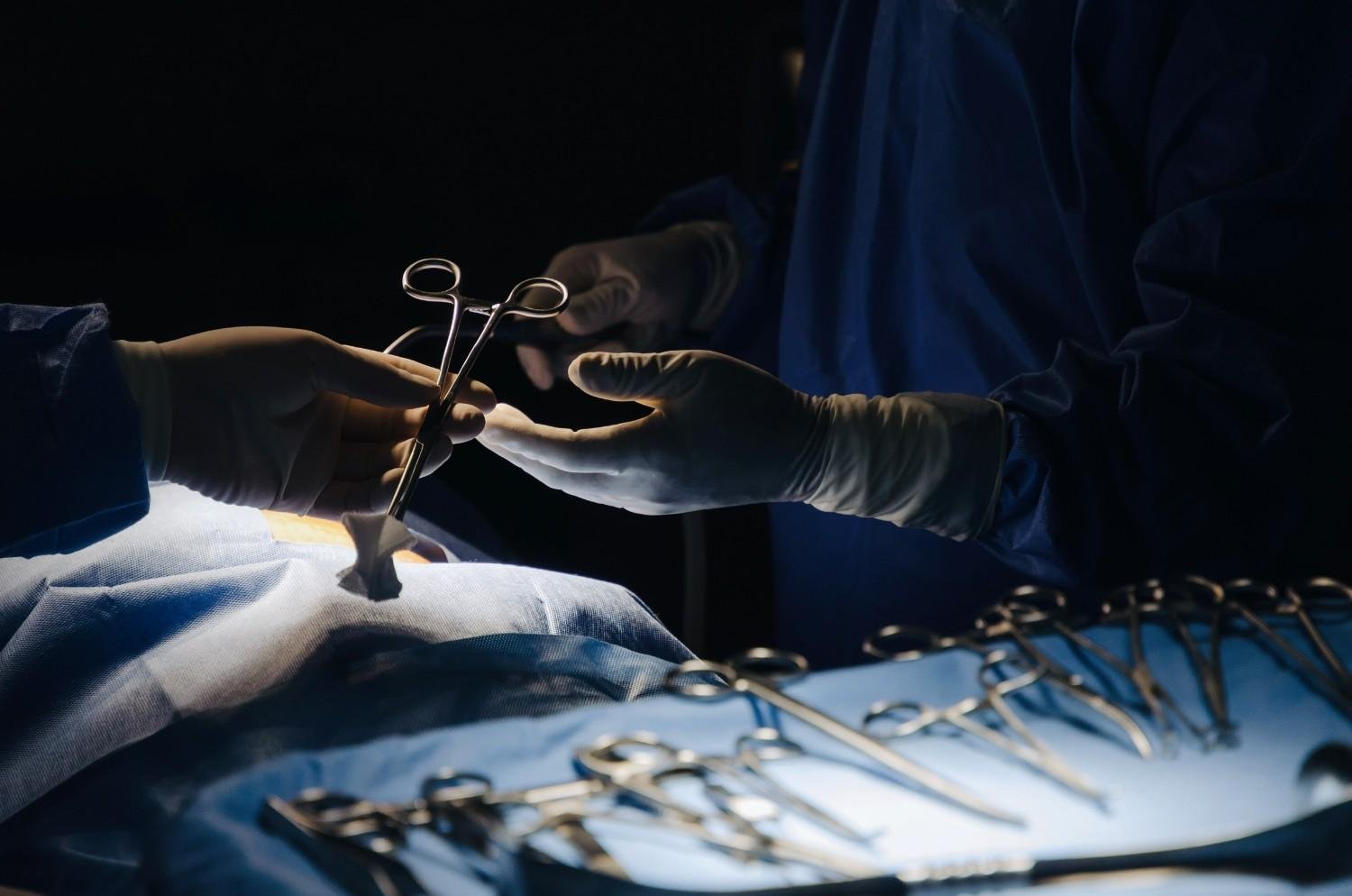

Best Neurosurgeon Near Me for Brain Tumor Removal

Spinal cord tumors are uncommon but serious conditions that can affect the spinal cord, spinal nerves, or surrounding tissues. Its is an abnormal growth of cells that develops within or around the spinal cord. These tumors may be benign (non-cancerous) or malignant (cancerous). Regardless of whether a tumor is cancerous, it can still cause significant problems by compressing the spinal cord or spinal nerves. As the tumor grows, it may press on the spinal cord or nearby nerves, leading to pain, numbness, weakness, or difficulty with movement. Recognizing the warning signs early and seeking prompt medical attention can help prevent permanent nerve damage and improve treatment outcomes.
Not every spinal cord tumor is cancerous, and many can be successfully treated with timely diagnosis and expert care. Understanding the symptoms, causes, and available treatment options can help patients make informed decisions about their spinal health.
Symptoms usually depend on the tumor's size, location, and how much pressure it places on the spinal cord or nerves. In many patients, symptoms develop gradually and become more noticeable over time.
Common symptoms include:
Persistent back pain accompanied by weakness or numbness should never be ignored, especially if symptoms continue to worsen.
The exact cause of many spinal cord tumors is still unknown. Some tumors develop from the cells of the spinal cord or surrounding tissues, while others spread from cancers that originate in different parts of the body.
Possible causes and associated factors include:
Although spinal cord tumors cannot usually be prevented, early diagnosis plays an important role in successful treatment.
Spinal cord tumors can occur at almost any age, although some types are more common in adults. Certain medical conditions and genetic disorders may increase the likelihood of developing these tumors.
Risk factors may include:
Most people diagnosed with a spinal cord tumor have no obvious risk factors, making it important to seek medical evaluation whenever persistent neurological symptoms develop.
Diagnosing a spinal cord tumor begins with a detailed medical history and neurological examination. Your doctor will evaluate muscle strength, sensation, reflexes, balance, coordination, and walking ability to identify possible spinal cord involvement.
Additional investigations may include:
These tests help determine the tumor's location, size, and characteristics, allowing doctors to plan the most appropriate treatment strategy.
Treatment depends on several factors, including the type of tumor, location, size, symptoms, and overall health of the patient. The goal is to remove or control the tumor while preserving spinal cord function.
Treatment options may include:
Every patient receives an individualized treatment plan based on their specific diagnosis.
Not every spinal cord tumor requires immediate surgery. However, if the tumor is causing pressure on the spinal cord or nerves, growing in size, or leading to neurological symptoms, surgery may be the most effective treatment option.
Your neurosurgeon may recommend surgery if you have:
The primary goal of surgery is to remove as much of the tumor as safely possible while protecting the spinal cord and preserving nerve function. Advances in microsurgical and minimally invasive techniques have significantly improved surgical precision and patient recovery.
Recovery varies depending on the type of tumor, its location, the complexity of surgery, and the patient's overall health. Some patients recover quickly, while others may require rehabilitation to regain strength, balance, and mobility.
Recovery may include:
Many patients experience improvement in pain and neurological symptoms after successful treatment. Following your doctor's advice and attending regular follow-up appointments play an important role in recovery.
The outlook for a spinal cord tumor depends on several factors, including whether the tumor is benign or malignant, its size, location, and how early it is diagnosed. Many benign spinal cord tumors can be successfully treated with surgery, while cancerous tumors may require additional treatments such as radiation therapy or chemotherapy.
Early diagnosis is one of the most important factors influencing treatment outcomes. Seeking medical attention when symptoms first appear allows doctors to begin treatment before permanent spinal cord damage occurs.
Persistent back pain is common, but certain symptoms should never be ignored. If back or neck pain is associated with numbness, weakness, difficulty walking, or changes in bladder or bowel control, you should seek immediate medical evaluation.
Consult a neurosurgeon if you experience:
Early evaluation helps identify the exact cause of symptoms and allows timely treatment before neurological damage becomes permanent.
Consult an Experienced Neurosurgeon for Spine Tumor Care
If you have been diagnosed with a spinal cord tumor or are experiencing persistent back pain, weakness, numbness, or other neurological symptoms, early evaluation can make a significant difference. Dr. Bhushan Meshram, Consultant Neurosurgeon at Wockhardt Hospital, Mumbai, specializes in the diagnosis and treatment of spinal cord tumors, brain tumors, spine disorders, and other complex neurological conditions. He also consults at leading hospitals, including Fortis Hospital, across Mumbai, Panvel, Vashi, Nerul, Ulwe, Sion, and Byculla.
Whether you need an expert diagnosis, treatment plan, or a second opinion, consulting an experienced neurosurgeon can help you understand your condition and explore the most appropriate treatment options. Book a consultation with Dr. Bhushan Meshram for comprehensive spinal cord tumor evaluation and advanced neurosurgical care tailored to your individual needs.

MBBS, MS (General Surgery), DNB Neurosurgery
MBBS, MS (General Surgery),
DNB Neurosurgery