Expert Neurosurgeon – Brain and Spine Specialist Mumbai
MBBS, MS (General Surgery), DNB Neurosurgery
Minimally invasive and endoscopic brain surgery uses advanced surgical techniques and specialized instruments to treat brain conditions through smaller incisions with greater precision. These procedures are commonly used for brain tumors, cysts, hydrocephalus, skull base disorders, and certain neurological conditions affecting brain function. Compared to traditional open surgery, minimally invasive procedures may reduce tissue damage, blood loss, pain, and hospital stay while supporting faster recovery. Early neurological evaluation and advanced brain imaging help doctors determine whether minimally invasive surgery is suitable for the patient safely.
Treatment may involve endoscopic procedures, neuronavigation systems, or advanced minimally invasive neurosurgery depending on the brain condition and surgical complexity involved.
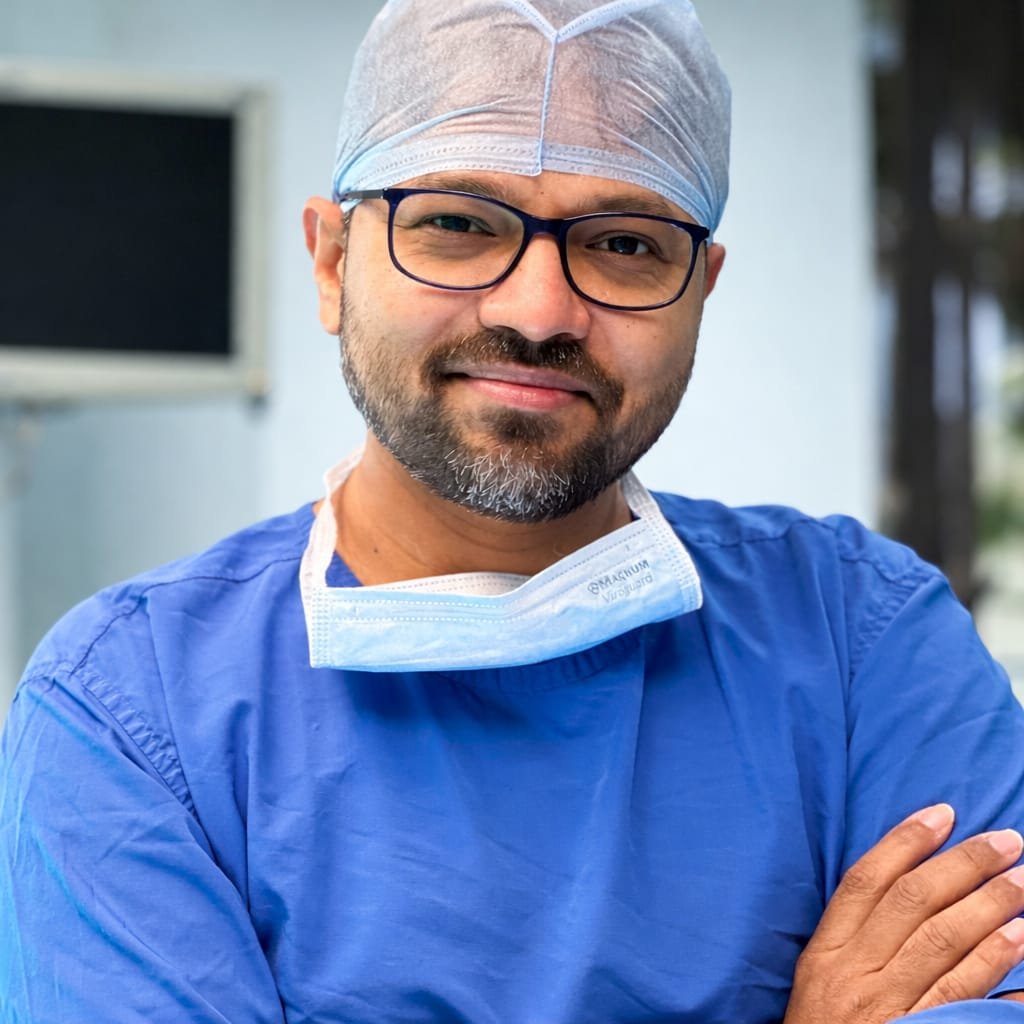
Dr. Bhushan Meshram has advanced training in brain and spine surgery & holds certifications and recognitions for clinical excellence and patient care in neurosurgery.
Minimally invasive brain surgery may help treat brain tumors, cysts, hydrocephalus, skull base conditions, and selected neurological disorders affecting normal brain function. Smaller surgical openings and advanced imaging guidance allow doctors to access affected areas with improved precision and reduced disruption to surrounding brain tissues. These techniques may support safer surgery, shorter hospital stay, and improved recovery outcomes compared to conventional open brain procedures for selected neurological conditions and surgical cases.
Persistent headaches, seizures, vision problems, memory issues, balance difficulty, or neurological weakness may require brain surgery evaluation and treatment.
Treatment may include endoscopic procedures, neuronavigation systems, or minimally invasive neurosurgery depending on the neurological condition and surgical requirements.
Early neurological evaluation is important before performing minimally invasive brain surgery for complex brain conditions safely. Neurological examinations, MRI scans, CT imaging, and advanced brain mapping help doctors identify affected brain areas and determine the most suitable surgical approach accurately. Symptoms affecting speech, balance, memory, vision, or movement should not be ignored because delayed treatment may increase neurological complication risks. Timely diagnosis and surgical planning help improve safety, treatment precision, and postoperative recovery outcomes effectively.
Recovery after minimally invasive brain surgery is often faster compared to traditional open brain procedures because of smaller incisions and reduced tissue damage. Some patients may recover within days, while others require rehabilitation and neurological monitoring depending on the condition treated and overall neurological health. Physiotherapy, medications, speech therapy, and regular follow-up consultations help improve movement, balance, communication, coordination, and overall recovery after advanced neurosurgical treatment affecting brain function and daily activities.
Ignoring neurological symptoms may increase risks of brain damage, seizures, pressure-related complications, or worsening neurological conditions requiring complex surgery later.
Experienced neurosurgical care with advanced imaging, precision-based surgery, and rehabilitation support improves safety and recovery during brain surgery treatment.
Minimally Invasive & Endoscopic Brain Surgery is important for treating brain tumors, cysts, hydrocephalus, and neurological conditions with improved surgical precision and reduced tissue damage. Early diagnosis, neurological evaluation, and timely surgical treatment help reduce complications, support faster recovery, and improve long-term neurological outcomes. Advanced surgical techniques, rehabilitation, and regular follow-up care also play an important role in improving safety and restoring normal daily function after brain surgery treatment.
Patients can Consult Dr. Bhushan Meshram, Consultant Neurosurgeon at Wockhardt Hospital, Mumbai, available for OPD consultations across reputed hospitals in Sion, Vashi, Nerul, Ulwe, and other Mumbai locations including Fortis and White Lotus Hospital.
MBBS, MS (General Surgery), DNB Neurosurgery
Serving Accross 7+ Hospitals
MBBS, MS (General Surgery), DNB Neurosurgery
"Dr. Bhushan Meshram is an exceptional neurosurgeon who truly prioritizes patient care. He listens attentively, explains diagnosis and treatment clearly, and addresses all concerns with patience and empathy."
"I would like to share my experience and sincere thanks to Dr. Bhushan Meshram for treating my disc herniation at L4-5 level. I am truly grateful for the Dr. Bhushan's skill, care, and support, and would highly recommend them to anyone dealing with spine problems."
"Dr Meshram is gem of person and very helpful in the way he is going and approaching my wife’s treatment The approach is methodical , simple and effective. Would recommend him to others too."
"One of the best Neuro Doctor ever came across, A doctor as described to be humble, people with Gods grace, helping, motivating, supporting and always genuine advices and suggestions."
"Dr. Bhushan Meshram is an exceptional neurosurgeon who truly prioritizes patient care. They take the time to listen carefully, explain diagnosis and treatment options in a clear and reassuring manner, and address all concerns with patience and empathy."
"Dr Bhushan Meshram sir.. The doctor is extremely experienced, calm, and very understanding. He listens carefully to the patient’s concerns and explains the treatment clearly. Our experience was very positive."
"Dr Bhushan is one of the best doctors I've met in Mumbai for neuro. I was facing sever nerve pain & after his consultation i'm feeling really better."
Reach out to Dr. Bhushan Meshram for brain and spine conditions. Schedule your visit for advanced and personalized medical care.
Consult today for expert care at leading Mumbai hospitals.
MBBS, MS (General Surgery),
DNB Neurosurgery