What Happens During Brain Tumor Surgery?

In this article, we explain what brain tumors are, common symptoms to watch for, possible causes, available treatment options, and when it may be time to seek expert neurosurgical care.
A brain tumor is an abnormal growth of cells within the brain or its surrounding structures. Depending on its size, location, and growth pattern, a brain tumor can affect normal brain function and lead to a variety of neurological symptoms.
Not all brain tumors are cancerous. Benign brain tumors generally grow slowly and do not spread to other parts of the body. However, they can still cause serious symptoms if they compress important brain structures. Malignant brain tumors tend to grow more aggressively and often require specialized treatment. Whether benign or malignant, every brain tumor should be properly evaluated by a neurosurgeon.
Observed every year on June 8, World Brain Tumor Day 2026 focuses on increasing awareness about brain tumors, their symptoms, diagnosis, treatment options, and the importance of early medical attention. Many individuals ignore persistent headaches, vision problems, seizures, memory changes, or balance issues because these symptoms are often mistaken for less serious conditions. As a result, diagnosis may be delayed.
By raising awareness, more people can recognize potential warning signs early, seek appropriate medical care, and make informed decisions about their neurological health.
The symptoms of a brain tumor can vary from person to person. They often depend on the tumor's location, size, and growth rate.
Early diagnosis is one of the most important factors in managing brain tumors effectively. Detecting a tumor before it grows larger may help reduce complications, preserve neurological function, and provide access to a wider range of treatment options. Early evaluation can also help doctors better understand the condition and plan the most appropriate course of treatment.
Patients who seek medical attention promptly often benefit from earlier intervention, improved symptom management, and better overall treatment planning.
Although there is no proven way to completely prevent brain tumors, maintaining good overall health and minimizing known risk factors may contribute to better long-term brain health.
Treatment depends on the type of tumor, location, size, growth pattern, and overall health of the patient. Modern neurosurgery offers several treatment approaches designed to achieve the best possible outcomes while preserving neurological function. Learn more about Brain Tumor Treatment and available neurosurgical options.
For expert evaluation, treatment planning, or a second opinion regarding a brain tumor, Consult Dr. Bhushan Meshram, an experienced neurosurgeon associated with Wockhardt Hospital, Fortis Hospital, White Lotus Hospital, UMC, and other reputed hospitals across Mumbai. His expertise includes brain tumor surgery, brain trauma, stroke care, spine disorders, and advanced neurosurgical procedures.
If you or a loved one has been diagnosed with a brain tumor or is experiencing neurological symptoms, timely evaluation can help you better understand your condition and available treatment options. To schedule an appointment or request a second opinion, fill out the consultation form and connect with expert neurosurgical care.
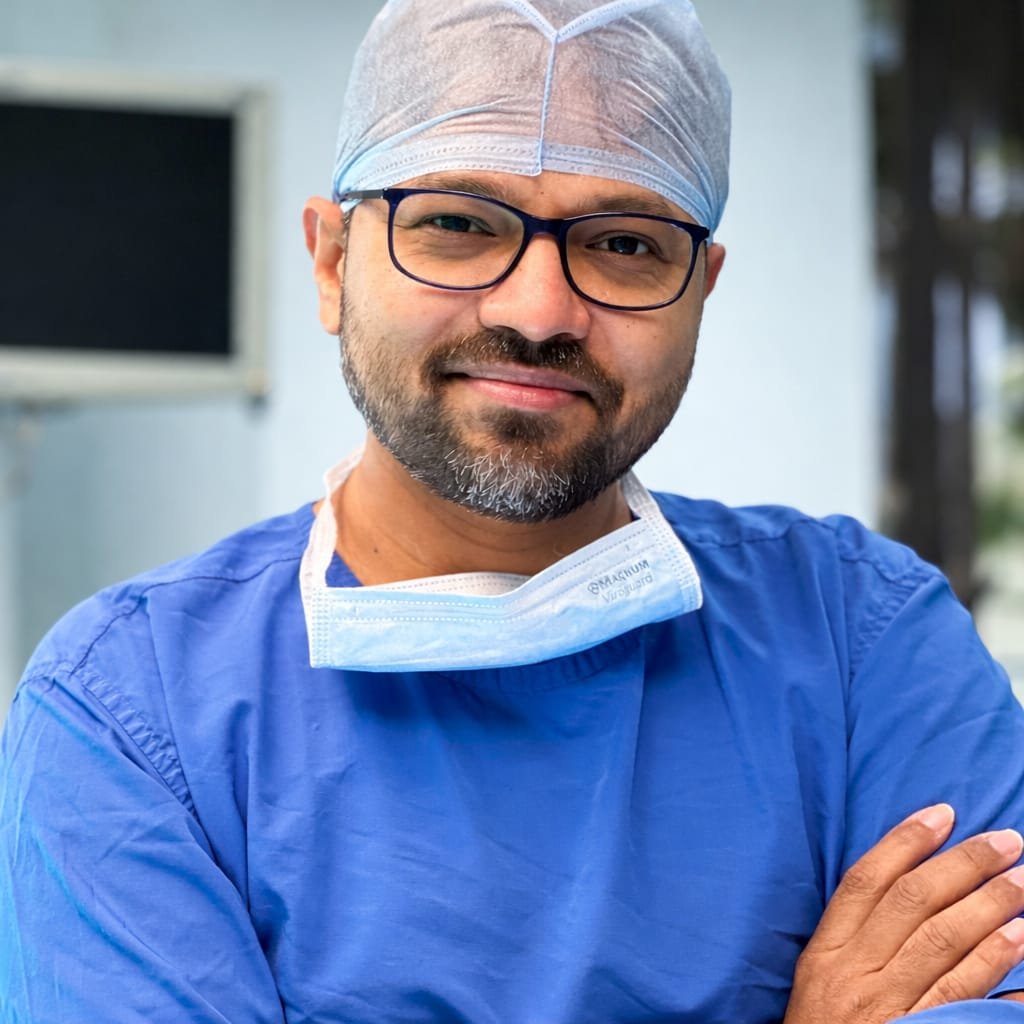
MBBS, MS (General Surgery), DNB Neurosurgery
MBBS, MS (General Surgery),
DNB Neurosurgery